
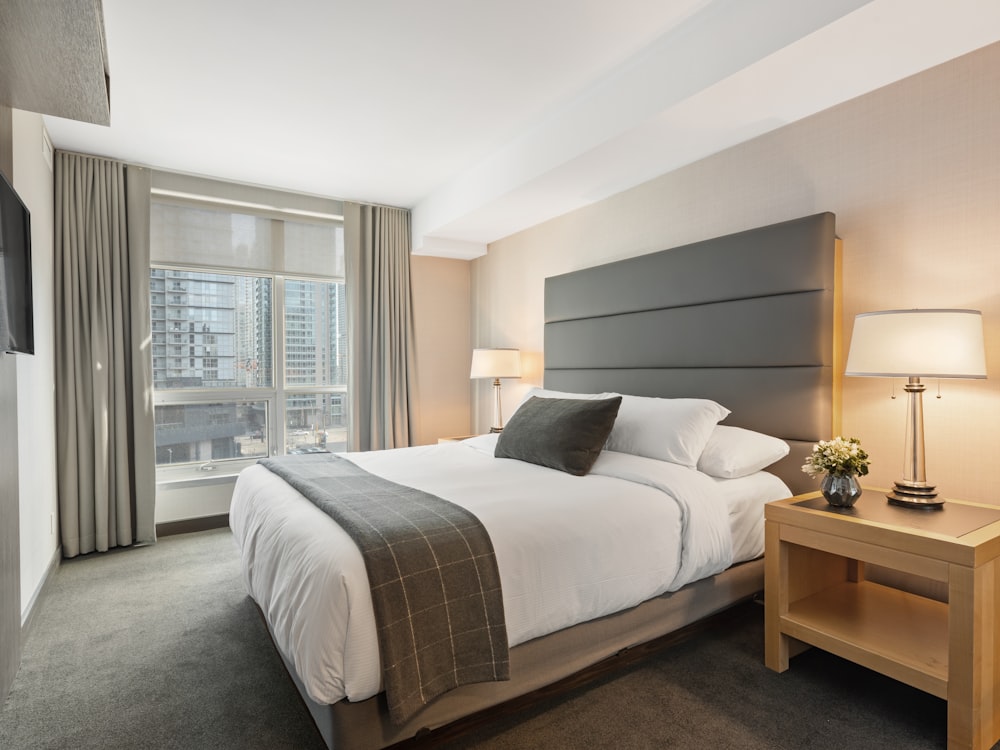
West-facing windows in Toronto get punished every afternoon from May through September. By 3 PM, the sun is driving directly into your living room, office, or condo unit. Standard glass does almost nothing to stop it. Here is what actually works.
Why west-facing windows are the hardest problem
South-facing windows get the most total sun exposure over a day. But west-facing windows get the most intense afternoon heat — when the sun is low in the sky, the angle is direct, and the temperature outside is already at its daily peak. This combination makes west-facing glass the primary cause of:
- Overheated rooms in the late afternoon
- Glare that makes screens unusable after 2 PM
- Uneven temperature zones across a floor or unit
- Accelerated fading on floors, furniture, and artwork
- Air conditioning running harder during peak hydro rates
What to look for in a film for west-facing glass
High total solar energy rejection (TSER)
This is the number that matters most. TSER measures how much total solar energy the film blocks. For west-facing windows, you want 50% TSER or higher. Our ceramic series films hit 55–65% TSER depending on the grade selected.
Infrared rejection
Heat is carried primarily through infrared radiation. Films with dedicated infrared-rejection technology feel dramatically cooler to sit near than films that rely on visible light blocking alone. Ceramic and nano-ceramic films perform best here.
Glare reduction without excessive darkening
Films that block too much visible light make rooms dark and gloomy. The best west-facing films use selective spectral technology to reject heat and infrared while keeping visible light transmission reasonable — typically 40–70% VLT depending on grade.
Low interior reflectivity
Films with high interior reflectivity act like mirrors at night, which some people find disorienting. For residential west-facing applications we typically recommend films with lower interior reflection.
Our recommendation for west-facing windows in Toronto
For most Toronto homes and condos, our Ceramic Series at $16.99/sq ft installed is the right call for west-facing glass. It delivers strong heat rejection, clear optics, and a 15-year warranty without the cost of the premium tier. For home offices or spaces where glare is the primary complaint, we may recommend a slightly darker film in the Highlight Series to bring glare down further while maintaining heat rejection. We always assess your specific windows, orientation, and existing glazing before recommending a film — there is no one-size-fits-all answer.
What about existing low-e glass?
Many newer Toronto condos and homes have low-e coated glass already. Some films are not compatible with low-e glass and can cause thermal stress in the sealed unit. We test your glass type before recommending or applying any film. This is something to ask about with any installer you speak to.
Frequently asked questions
Can window film be applied to west-facing windows in summer?
Yes. Summer is peak installation season. The film cures faster in warm, dry conditions. Most installations are ready to clean within a few days.
Will window film change how my windows look from outside?
Depending on the film selected, there may be a slight reflective appearance from outside during daylight hours. Most of our residential films are nearly invisible or very subtle from the street.
Does window film help with AC bills?
Measurably, yes. Blocking 55–65% of solar heat gain on west-facing glass reduces the load on your air conditioning during the hottest part of the afternoon. Most customers notice their AC cycles less frequently within the first summer.
How do I clean windows after film installation?
Standard glass cleaner and a soft cloth. Avoid abrasive scrubbers. Wait 30 days after installation before cleaning to allow full adhesive cure.
Book a free assessment for your west-facing windows
Call or text (833) 725-3456 or use our contact form. We will assess your windows, measure the glass, and recommend the right film grade for your specific situation. We serve Toronto, Markham, Vaughan, Mississauga, Brampton, Richmond Hill, Scarborough, Etobicoke, and all surrounding GTA cities.